
An Art Project
Something that really made sense from Beginning (German: Anfang) to End.
AE, Art of Expression.
2016 - 2024
Art and Expression
Art of Expression is the crossover between Arts and (ways of) Expression by music, words and vision, using our six senses.
The project was designed as a platform connecting artists and translators, offering mutual visibility to new audiences. Each interview is translated and published with the translator’s name and contact details (with consent), while the artist is given space to share their motivation and creative process.
Here, an artist is understood as any ordinary individual doing extraordinary things.
Translation is an art, too.
Six senses
At that time, I did not know much about neurodiversity or all the many studies, terms and explanations that have surfaced over recent years. I considered myself an HSP (Highly Sensitive Person) in Elaine Aron's definition, a sensation seeker, too, maybe, because I got so bored so easily with everything and everyone. It was the time of a global mental-health movement (or whatever you prefer to name it), when celebrities dared to talk about their depressions.
What I knew was that nothing made sense to me, really, until my sixth sense got stimulated. I did not know exactly what this sense was about, but it was the thing that made me see things so differently from everyone else in the group. I still don’t know what that sense is, but I feel more heard and understood thanks to scrolling on social media.
Back then, the most accurate definition I could come up with was the following:
Art of Expression is the crossover between Arts and (ways of) Expressions by music, words and vision, using all six senses: SEEING (visual: face), HEARING (auditive: ears), SMELLING (olfactory: nose), TASTING (tongue), TOUCHING–FEELING (tactile, “feeling”: skin) and as the 6th sense the subconsciousness, SENSE or SENSITIVITY that might as well help you to perceive.
A Nice Way
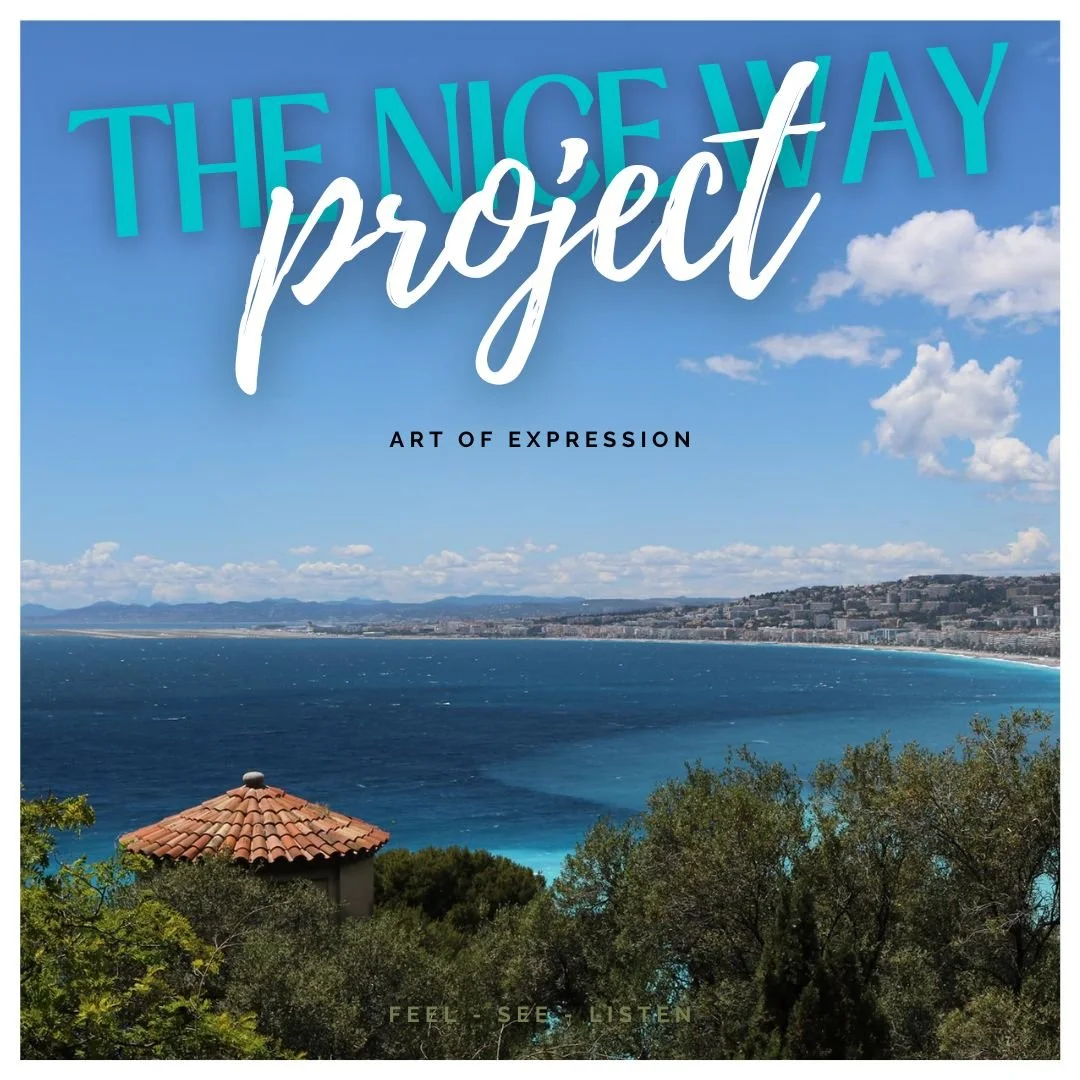
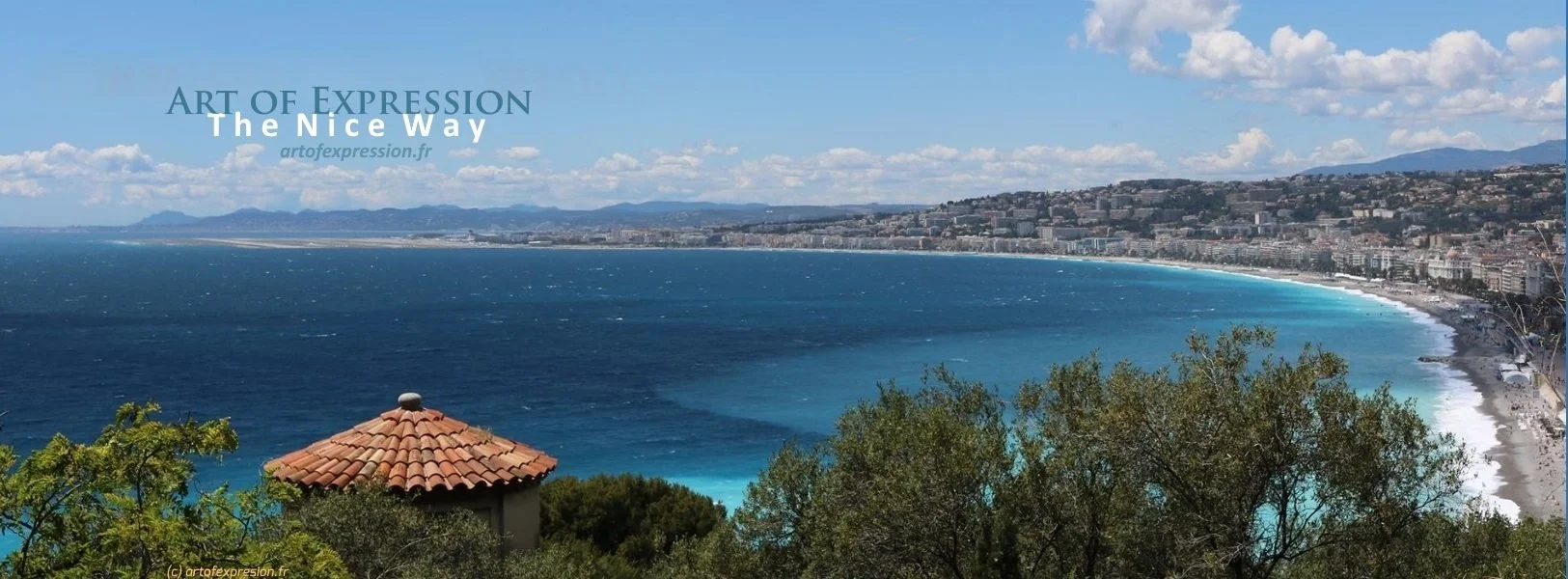
Given that I was particularly sensitive about the wording and tone others usually use when they speak (and also their posture) and now living in Nice, I subtitled the project “The Nice Way to Put It”.
It wasn’t about body language or eloquence, but about perception, complexity and similarities across languages, cultures, gender, age etc.
I would not necessarily name the process of applying the right word for something healing, although finding a right word for … (insert whatever you want: color, name, feeling, situation etc) is so satisfying, that it oftentimes makes this thing disappear - or unfold. Like, it’s not about the thing we are talking about, but about the talk we have about that thing. Because this leads to something even more interesting. We’re on a journey, and that’s exciting. Well, this may be true for me, but not for you, as I seek to understand a thing without wanting to have it in my life forever.
Well, I was somehow obsessed with the idea that it’s possible to awake the [let’s say] average people’s undeveloped sense, lead them to learn to use their language properly and in a beautiful way, in an appreciative manner, in a polite, soft and accurate way, and get them to take the time and look at the whole picture before they judge, or just stop judging. This had nothing to do with me or my life; it was so much bigger. It was about context. About acceptance. Evidence. Seeing. Becoming. Belonging. (*)
As a writer, I knew it was possible to use sharp vocab to describe soft things or vice-versa, and I thought, if words exist, we can use them and everybody around me is mature enough to perceive, evaluate correctly - but for having experienced it, I can say I was wrong.
So this project, my approach, grew from the “beauty of the process” (curiosity: name it, explain it), and also from the belief that kindness need not dilute clarity: gentle correction in perception can open doors to better existence and stronger relationships.
* In case this paragraph gives you a hard time, please try the AI “translation” I pasted on the bottom of this page (i.e. I copied the two paragraphs and asked: What does the author mean?).
My role? I am not the Artist, I am the Translator.
The initial project description read as follows :
If we split the word artist into its “Denglish” (i.e. established German-English gibberish) parts, it turns into ART (“Kunst” in German) and IST (German gerundium of is, being = existing), which I believe is a perfect term for the human creative.
If you then mix up the German word Art (way) and the English or French “art” (Kunst), it talks about a beautiful, a wonderful way to create or bring things to life, to us, to the blind or incapable. So, to bring it back to this project, maybe we can say that an artist “translates” what he perceives to make it visible, comprehensible for anybody.
And this is exactly where our mission starts and ends.
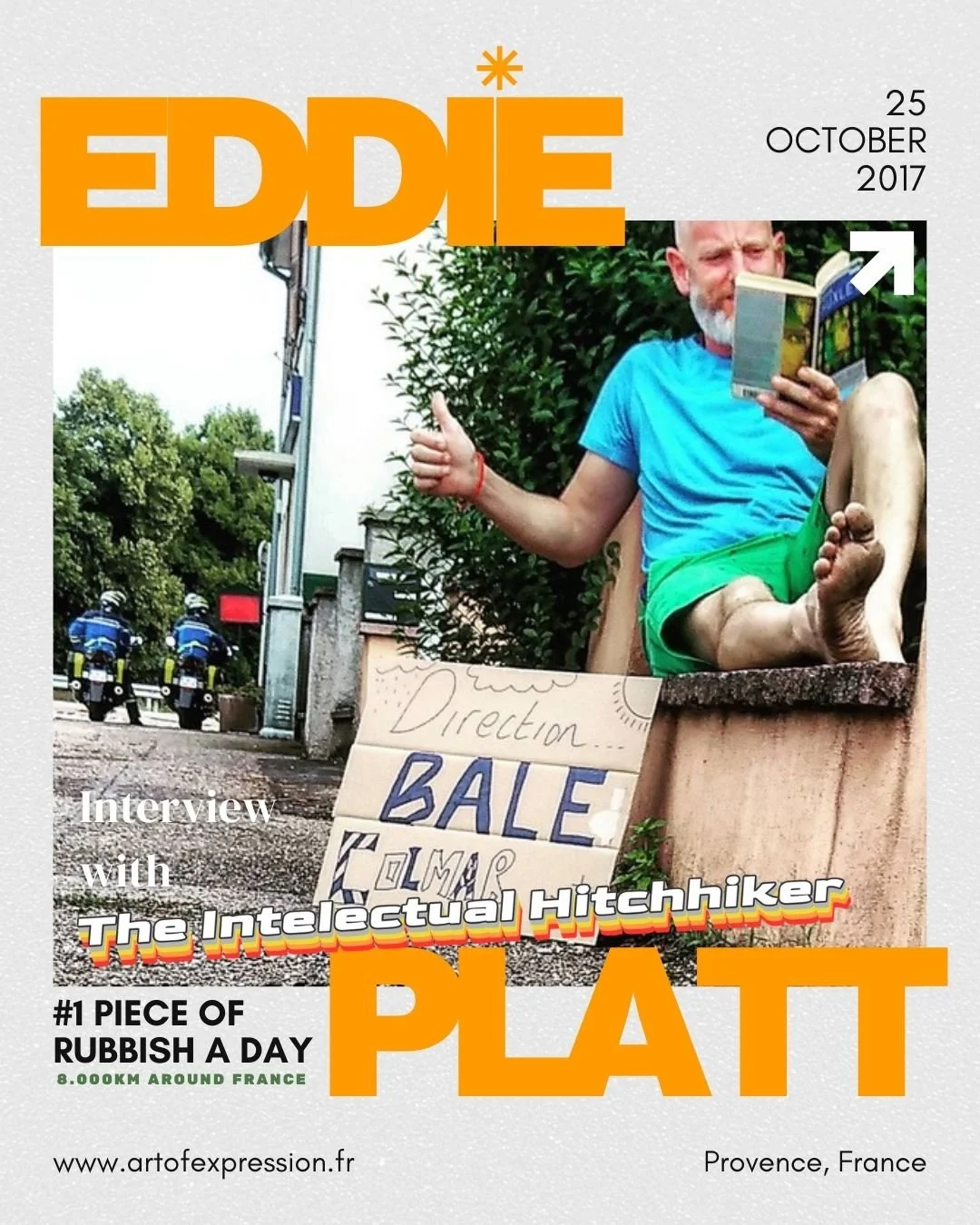
The Flow in the Middle
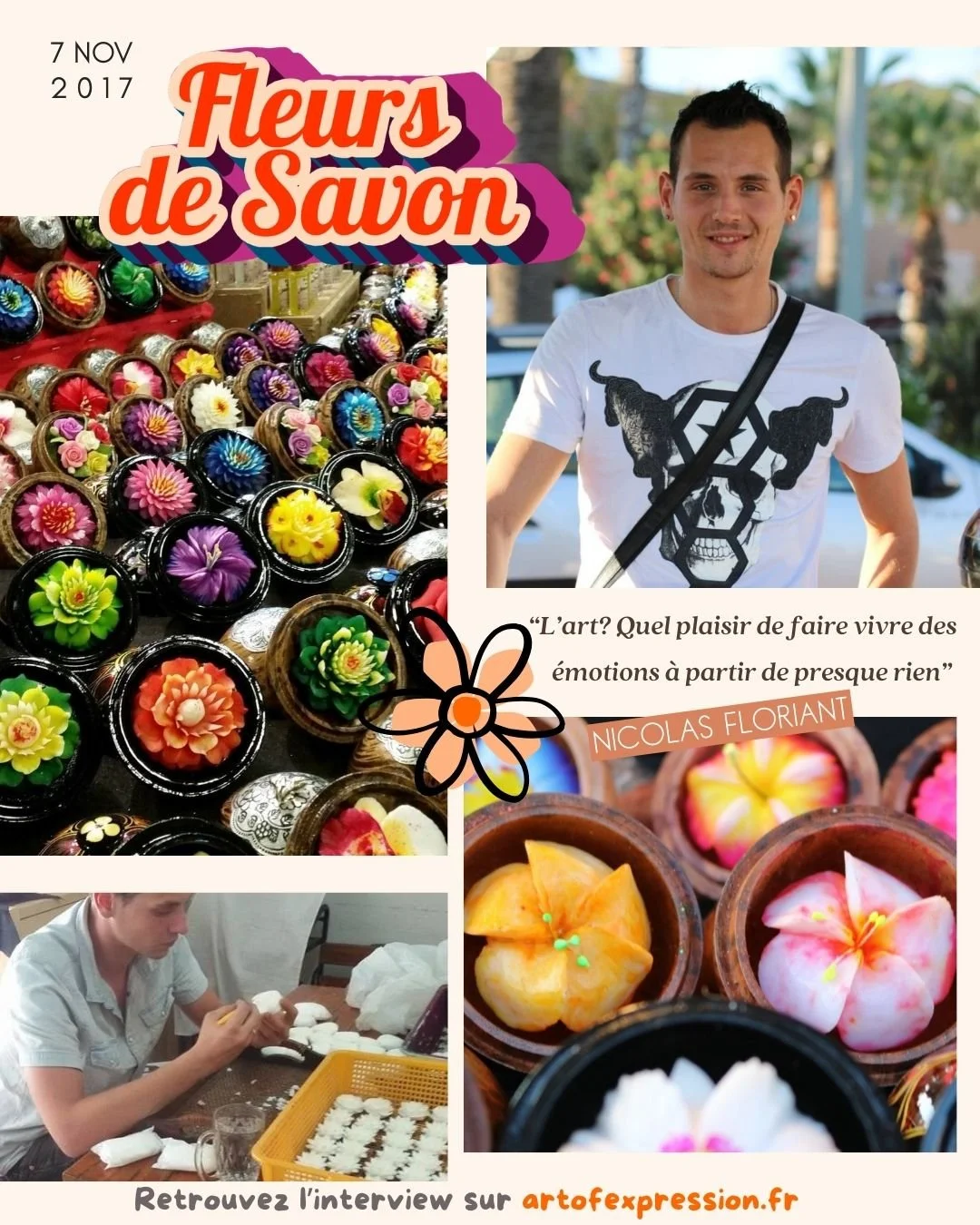
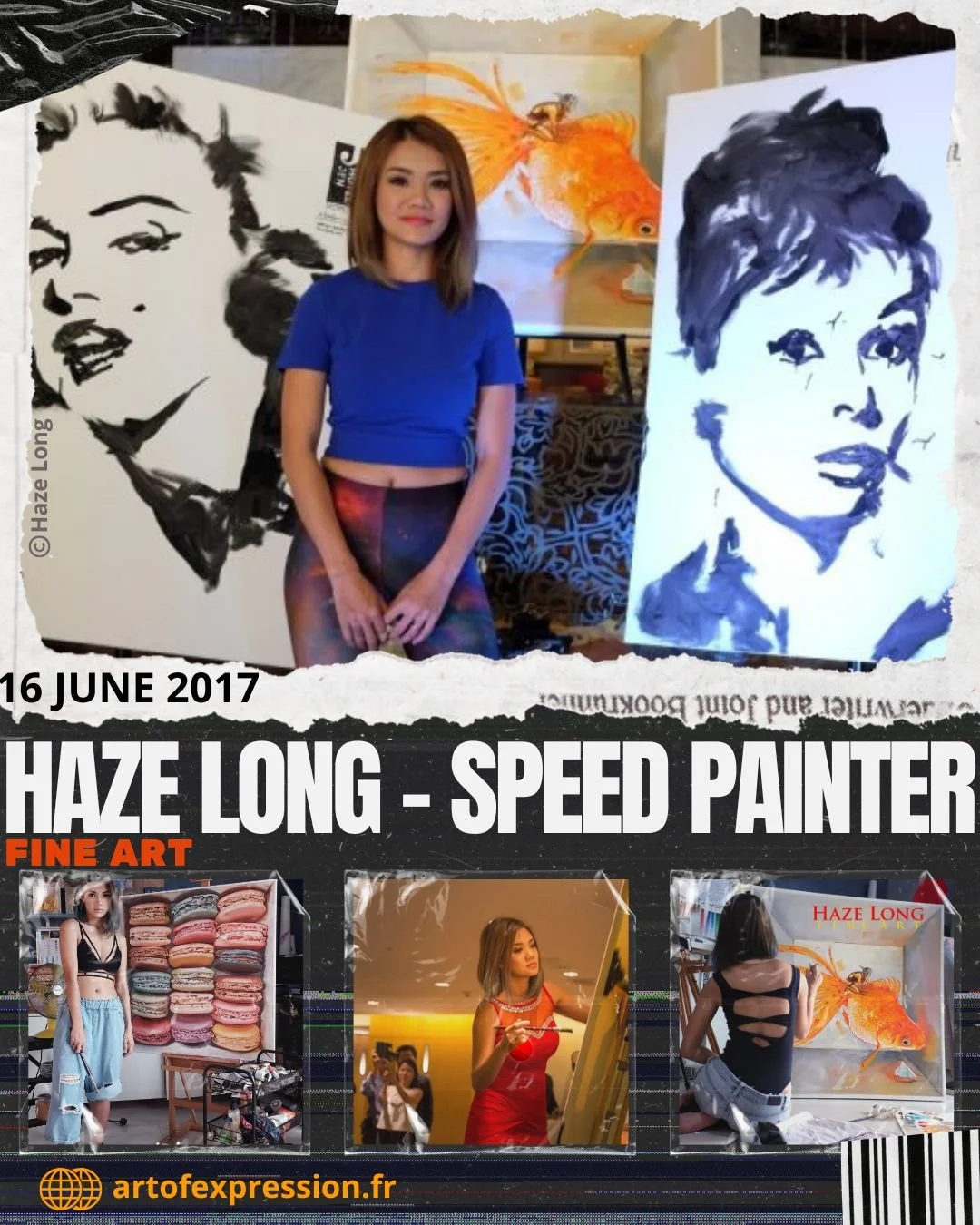
* Here’s the AI “translation” of the two paragraphs from A Nice Way
This is thoughtful — and layered. I’ll explain what the author seems to mean, then reflect it back clearly.
In the first paragraph, the author is saying:
Naming something precisely can feel powerful — almost transformative — but they hesitate to call it “healing.”
Finding the right word for a color, feeling, or situation creates relief and clarity. Sometimes the problem seems to dissolve, or at least become clearer, once it’s properly named.
But the deeper idea is this:
It’s not just the thing itself that shapes reality —
it’s the way we talk about it.
Language doesn’t only describe experience.
It structures it.
When they say:
it’s not about the thing we are talking about, but about the talk we have about the thing
They mean: meaning is shaped through language. The framing changes perception.
Then comes a subtle shift:
this may be true for me, but not for you
This suggests the author recognizes that their fascination with language might be personal — not universal. They enjoy the process of understanding and refining meaning. Others might not.
The second paragraph deepens it.
They describe a kind of mission — almost idealistic:
They believed it was possible to awaken people’s sensitivity to language.
To teach them to speak more thoughtfully, accurately, kindly.
To replace impulsive judgment with contextual understanding.
This wasn’t about self-improvement.
It was about culture. About collective awareness. About raising the level of discourse.
When they say:
It was about context. About acceptance.
They mean:
Understanding context reduces judgment.
Precise language increases empathy.
Thoughtful framing fosters acceptance.
There’s also a subtle self-awareness here. The word “obsessed” hints that the author later realized this mission might have been unrealistic — or at least not fully in their control.
So what does the author mean overall?
They’re reflecting on:
The power of language to shape perception
The satisfaction of precision
The belief that better language could lead to better understanding
And possibly the limits of that belief
There’s a quiet tension between idealism and realism.
Now I’m curious — are you analyzing this as the reader…
or as the writer?
Fun Fact